Understanding the Roman Military Strategy
The Roman military was renowned for its discipline, organization, and strategic prowess. For centuries, the Roman legions were the epitome of military power, conquering vast territories and leaving a lasting legacy. But what made the Roman military strategy so effective? In this article, we’ll delve into the intricacies of Roman military strategy, exploring its key components, tactics, and the reasons behind its enduring success.
The Triad of Roman Military Strategy
The Roman military strategy was built around a simple yet effective triad: Manus, Acies, and Decimatio. Each component played a crucial role in the overall success of the Roman legions.
1. Manus (The Line)
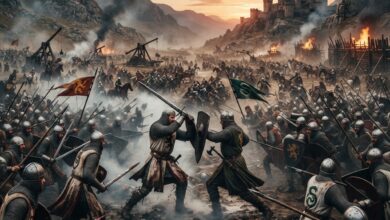
The Manus, or the line, was the core of the Roman military formation. It consisted of densely packed legionnaires, shoulder to shoulder, forming a wall of steel that was nearly impenetrable. The Manus was the first line of defense, and it was designed to absorb the enemy’s initial onslaught, protecting the more vulnerable troops behind it.
2. Acies (The Battle Line)
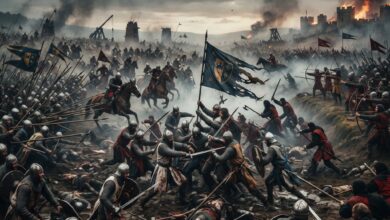
The Acies, or the battle line, was the second component of the Roman military strategy. It consisted of a series of parallel lines, with each line consisting of legionnaires standing shoulder to shoulder. The Acies was designed to allow the Roman legions to advance in a coordinated manner, with each line providing cover for the one behind it.
3. Decimatio (The Reserve)
The Decimatio, or the reserve, was the final component of the Roman military strategy. It consisted of a small group of highly trained and experienced legionnaires, who were held in reserve to provide a decisive blow to the enemy. The Decimatio was the Roman military’s equivalent of a “nuclear option,” and it was used sparingly but effectively to turn the tide of battle.
Key Components of Roman Military Strategy
The Roman military strategy was built around several key components, each designed to enhance the overall effectiveness of the legions. These components included:
1. Cohortes (The Units)
The Roman legion was divided into smaller units called Cohortes. Each Cohorte consisted of 300-600 legionnaires, who were trained to fight together as a cohesive unit. The Cohortes were the building blocks of the Roman military, and they played a crucial role in the overall success of the legions.
2. Centurions (The Leaders)
The Roman legion was led by Centurions, who were experienced and highly respected officers. The Centurions were responsible for training and leading their respective Cohortes, and they played a crucial role in the overall success of the legions.
3. Signa (The Standards)
The Roman legion was identified by a series of Signa, or standards, which were carried by the legionnaires. The Signa were designed to provide a visual cue for the legionnaires, allowing them to identify friend from foe on the battlefield.
Tactics and Strategies
The Roman military strategy was built around a series of tactics and strategies, each designed to enhance the overall effectiveness of the legions. These tactics and strategies included:
1. Pila (The Javelin)
The Roman legion was equipped with a range of projectiles, including the Pila, or javelin. The Pila was a small, lightweight spear that was designed to be thrown with great force and accuracy. The Pila was a key component of the Roman military’s ranged attack capabilities.
2. Scutum (The Shield)
The Roman legion was equipped with a range of shields, including the Scutum. The Scutum was a large, oval-shaped shield that was designed to provide protection for the legionnaire. The Scutum was a key component of the Roman military’s defensive capabilities.
3. Testudo (The Tortoise)
The Roman legion was equipped with a range of shields, which were used to form a protective Testudo, or tortoise. The Testudo was a defensive formation that was designed to protect the legionnaires from enemy projectiles. The Testudo was a key component of the Roman military’s defensive capabilities.
Conclusion
The Roman military strategy was a complex and multifaceted system that was designed to enhance the overall effectiveness of the legions. The Manus, Acies, and Decimatio were the core components of the Roman military strategy, and they played a crucial role in the overall success of the legions. The Roman military’s key components, tactics, and strategies all worked together to create a formidable and effective fighting force that was able to conquer vast territories and leave a lasting legacy.
FAQs
Q: What was the Roman military’s greatest strength?
The Roman military’s greatest strength was its discipline and organization. The Roman legions were trained to fight together as a cohesive unit, and they were able to execute complex maneuvers with great precision and accuracy.
Q: What was the Roman military’s most effective tactic?
The Roman military’s most effective tactic was the Testudo, or tortoise. The Testudo was a defensive formation that was designed to protect the legionnaires from enemy projectiles. The Testudo was a key component of the Roman military’s defensive capabilities.
Q: Who were the Roman military’s greatest leaders?
The Roman military’s greatest leaders were the Centurions. The Centurions were experienced and highly respected officers who were responsible for training and leading their respective Cohortes. The Centurions played a crucial role in the overall success of the legions.
Q: What was the Roman military’s most significant achievement?
The Roman military’s most significant achievement was the conquest of the Roman Empire. The Roman legions were able to conquer vast territories, creating a vast and powerful empire that lasted for centuries.